
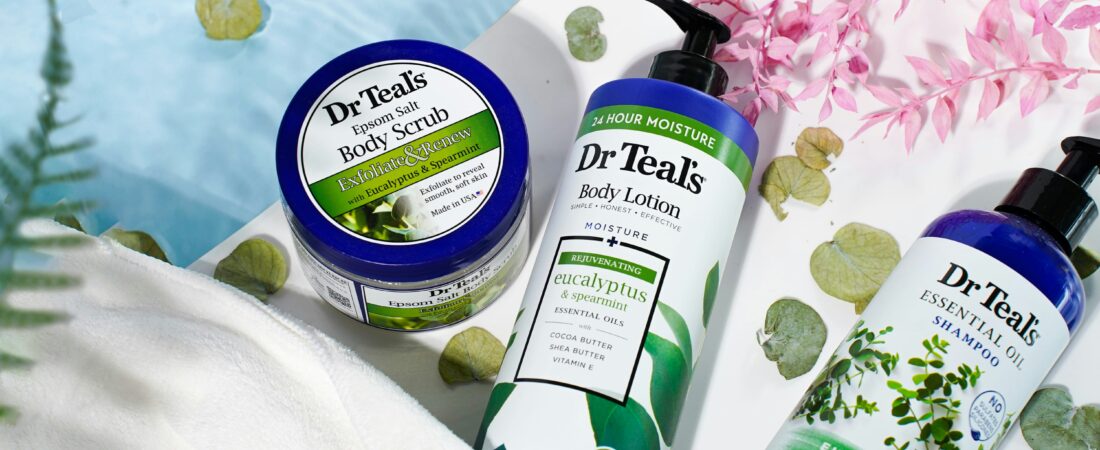
Physical Exfoliation vs Chemical Exfoliation
Physical exfoliation and chemical exfoliation are two fundamental approaches in skincare designed to remove dead skin cells and promote a brighter, smoother complexion. Each method employs a distinct mechanism and offers unique advantages and considerations. The following overview compares the two, highlights best-use scenarios, and provides practical guidance for safe application.
What are they?
- Physical exfoliation uses tactile, mechanical action to slough off dead skin cells. Common methods include granulated scrubs, brushes, or sponges that physically abrade the skin’s surface.
- Chemical exfoliation relies on active ingredients that dissolve or loosen the bonds between skin cells. Enzymatic and acid-based formulations are typical examples, including alpha-hydroxy acids (AHAs), beta-hydroxy acids (BHAs), and proteolytic enzymes.
How they work
- Physical exfoliation: The abrasive particles or textures physically dislodge dull cells, revealing newer skin beneath. The action is immediate but requires gentle technique to avoid micro-tears.
- Chemical exfoliation: Agents weaken desmosomes and other intercellular connections, accelerating cell turnover and promoting a more even skin texture over time. Results may accumulate with repeated use and depend on concentration and frequency.

Benefits and drawbacks
- Physical exfoliation
- Benefits: Instant smoothness, tactile glow, readily accessible, adds tactile cleansing when paired with massage.
- Drawbacks: Potential for irritation, micro-tears, over-exfoliation risk, not suitable for fragile or sensitive skin, may spread bacteria if tools are shared or not cleaned.
- Chemical exfoliation
- Benefits: Uniform exfoliation, deeper penetration with appropriate formulations, can improve tone and texture over time, suitable for oily or congested skin in many cases.
- Drawbacks: Possible irritation, sensitivity to sun, requires careful patch testing and sun protection, variable results depending on formulation and concentration.
Suitable skin types
- Physical exfoliation
- May be appropriate for normal to combination skin with a sturdy barrier.
- Caution advised for sensitive, reactive, or very dry skin; prefer ultra-fine particles and minimal pressure.
- Chemical exfoliation
- Generally versatile, including many dry, oily, combination, and aging skin types.
- Sensitive individuals should start with lower concentrations and longer intervals, and avoid aggressive formulations.
How to use safely
- Physical exfoliation
- Use with mild pressure and short, controlled sessions.
- Choose fine, uniform particles and avoid natural scrubs with sharp edges.
- Do not exfoliate on broken, inflamed, or irritated skin; rinse thoroughly after use.
- Chemical exfoliation
- Begin with lower concentrations and infrequent applications, gradually increasing as tolerated.
- Apply sunscreen daily, as exfoliation can heighten photosensitivity.
- Follow product instructions regarding layering with other actives to prevent irritation.
- Perform a patch test prior to broader use.
Choosing between them
- Skin goals: For immediate smoothness or texture correction, physical exfoliation offers quick results; for improving dullness, photoaging, or congested pores, chemical exfoliation often yields longer-term benefits.
- Sensitivity and barrier status: Sensitive or compromised skin generally benefits from cautious, lower-risk chemical options or avoidance of harsh physical scrubs.
- Maintenance routine: Consider compatibility with existing products (serums, moisturizers, sunscreen) and the desired frequency of exfoliation.
- Professional guidance: For complex concerns or persistent issues, seek advice from a dermatologist or licensed esthetician to identify suitable agents and concentrations.
Practical tips for maintenance
- Space exfoliation with routine skin care: Do not exfoliate on consecutive days if irritation occurs; allow resurfacing time.
- Combine thoughtfully: Use physical exfoliation on non-chemical days or alternate weeks if skin tolerates; avoid applying actives immediately after mechanical exfoliation.
- Hydration and protection: Follow exfoliation with a hydrating serum or moisturizer and apply broad-spectrum sunscreen with adequate SPF.
- Cleanliness: Keep tools clean and replace them as recommended to prevent contamination and skin irritation.
By understanding the distinct mechanisms, benefits, and precautions associated with physical and chemical exfoliation, you can tailor your regimen to your skin’s needs. Consistency, moderation, and sun protection remain essential for achieving a healthy, radiant complexion.
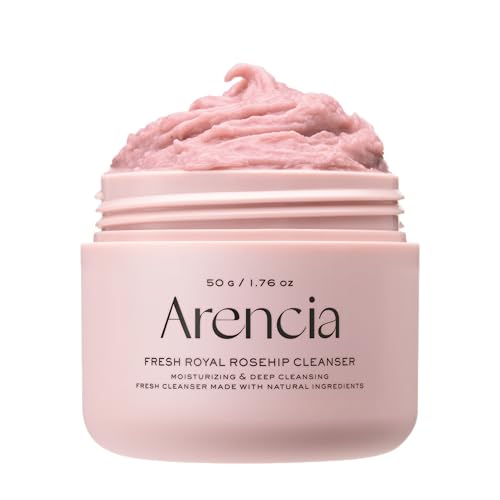
Products worth considering:



Disclosure: This article contains affiliate links. If you make a purchase through these links, I may earn a commission at no additional cost to you.